5 Design Trends That Will Define 2026
February 2026 marks a turning point. After years of AI hype, crypto promises, and metaverse speculation, we're entering an era where technology finally stops performing and starts performing for us. Here are five trends that will shape how we design, work, and live this year.
Insights

1. The Death of the Prompt Engineer (and the Rise of the Design Conductor)
Remember when "prompt engineering" was listed as a skill on LinkedIn? 2026 is the year that becomes as outdated as listing "Google proficiency."
AI tools have become so contextually aware that they don't need perfect prompts—they need creative direction. Designers are no longer typing elaborate instructions into text boxes. Instead, we're conducting entire workflows where AI handles execution while we focus on strategic decisions, edge cases, and the human nuances that algorithms still can't grasp.
What this means for designers: Your value isn't in knowing the right words to trick an AI into compliance. It's in understanding when to override it, when to trust it, and how to steer multiple AI agents toward a cohesive vision. Think less "prompt master," more creative director managing a team of hyper-efficient interns who never sleep but occasionally make baffling decisions.

2. Regulation-First Design (Because We Have To)
2026 is the year accessibility lawsuits finally catch up with the companies who treated WCAG as a suggestion. The EU's Accessibility Act is fully enforced. The US is cracking down on digital accessibility violations with actual penalties that hurt.
But here's what's unexpected: designers are relieved.
For years, we've pitched accessibility as "the right thing to do." Now we can pitch it as "the legally mandatory thing to do," and budgets magically appear. Design systems are being rebuilt from the ground up with compliance baked in, not bolted on. Regulatory requirements are becoming the forcing function for better design.
What this means for designers: If you can't articulate how your designs meet WCAG 2.2 standards, explain your color contrast ratios, or demonstrate keyboard navigation paths, you're not getting past the first stakeholder meeting. Regulation isn't killing creativity, it's killing the lazy shortcuts we pretended were acceptable.

3. The Bilingual-by-Default Web
English-only interfaces are no longer the default. Thanks to real-time translation APIs and increasingly sophisticated localization tools, designing for multiple languages simultaneously is becoming standard practice, not an afterthought.
But this isn't just about translation. It's about designing systems that expect text to expand by 30%, handle right-to-left languages gracefully, and accommodate cultural context switches without breaking. Forms, PDFs, dashboards, navigation, everything is being built with linguistic flexibility as a core constraint.
What this means for designers: If you're not designing with at least two languages in mind from the start, you're designing legacy products. The ability to think in elastic, language-agnostic patterns is becoming as fundamental as responsive design was a decade ago. And Canada, with its bilingual requirements, is quietly becoming a testing ground for global design systems.
4. Micro-Specialization Wins (Generalists Are Tired)
The "full-stack designer who codes, does motion graphics, and also handles the social strategy" job posting isn't aspirational anymore, it's a red flag.
2026 is seeing the rise of hyper-specialized designers: people who exclusively design data tables, form systems, or billing interfaces. These specialists command premium rates because they've seen every edge case, they know the regulations inside-out, and they can design systems that actually work under pressure.
Meanwhile, AI handles the generalist grunt work. Need a landing page? Fine, let the AI generate it. Need a billing system that handles international tax codes, recurring payments with grace periods, and edge cases for failed transactions? You need a specialist who's spent years in that exact problem space.
What this means for designers: Stop trying to be good at everything. Find the unsexy, complex problem spaces that AI can't solve yet, regulatory compliance, domain-specific workflows, accessibility, form design, and become the person companies desperately need when their generic AI-generated solution inevitably fails.


5. The Return of Brutalism (But Make It Accessible)
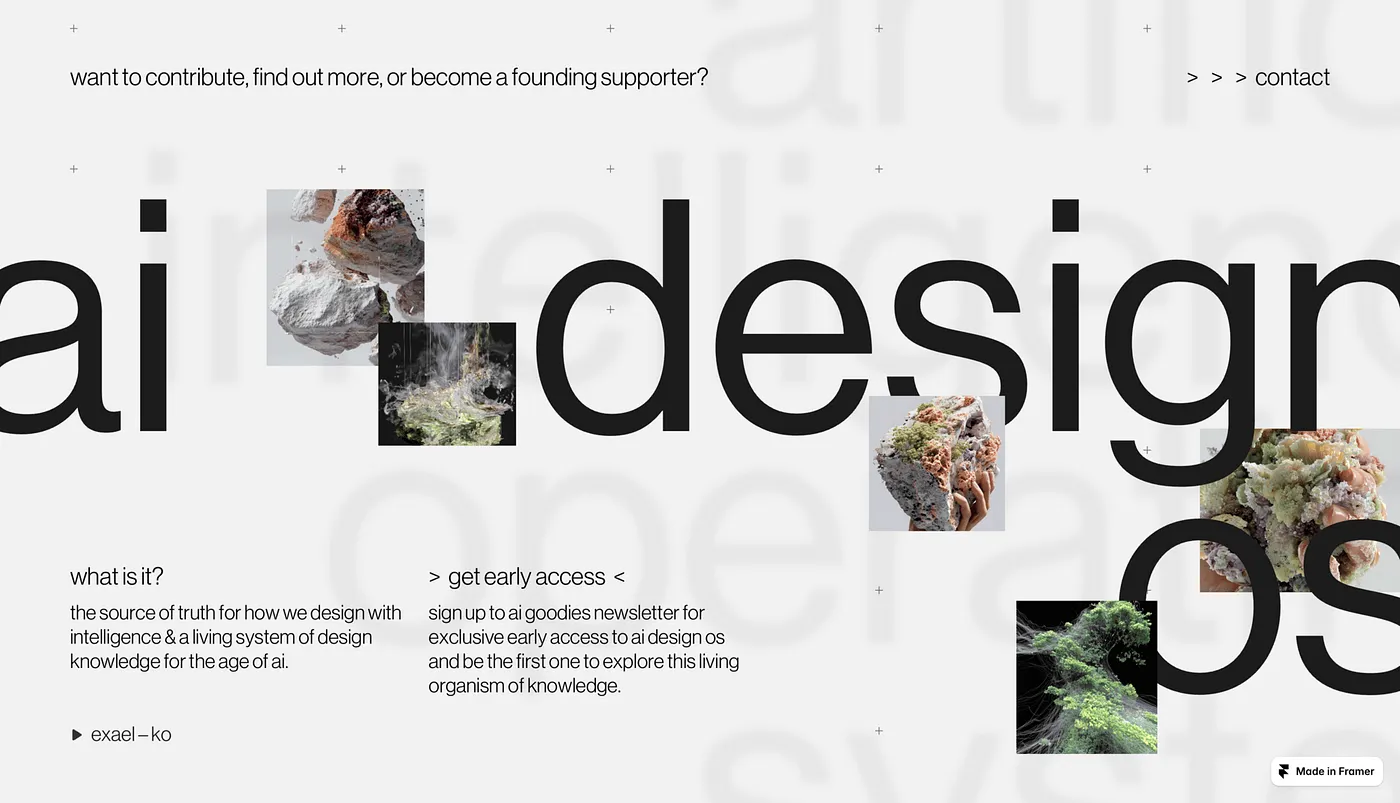
After years of soft gradients, rounded corners, and interfaces that all look vaguely like they were designed by the same Figma template, 2026 is bringing back edges.
Brutalist design is making a comeback, but this time with accessibility baked in. High contrast. Bold typography. Unapologetic layouts. Designers are rejecting the homogenized "pleasant neutrality" aesthetic in favor of interfaces with personality, opinion, and crucially better readability.
This isn't about being deliberately difficult. It's about being deliberately clear. When every SaaS dashboard looks identical, the ones that dare to have a point of view become memorable. When every fintech app uses the same muted pastels, the one with stark contrast and confident type hierarchy actually communicates better.
What this means for designers: Stop hiding behind "best practices" that make everything look the same. Accessible doesn't mean invisible. High contrast ratios and clear hierarchies can be bold, opinionated, and memorable. 2026 rewards designers who remember that interfaces can have personality and function.

More to Discover

5 Design Trends That Will Define 2026
February 2026 marks a turning point. After years of AI hype, crypto promises, and metaverse speculation, we're entering an era where technology finally stops performing and starts performing for us. Here are five trends that will shape how we design, work, and live this year.
Insights
1. The Death of the Prompt Engineer (and the Rise of the Design Conductor)
Remember when "prompt engineering" was listed as a skill on LinkedIn? 2026 is the year that becomes as outdated as listing "Google proficiency."
AI tools have become so contextually aware that they don't need perfect prompts—they need creative direction. Designers are no longer typing elaborate instructions into text boxes. Instead, we're conducting entire workflows where AI handles execution while we focus on strategic decisions, edge cases, and the human nuances that algorithms still can't grasp.
What this means for designers: Your value isn't in knowing the right words to trick an AI into compliance. It's in understanding when to override it, when to trust it, and how to steer multiple AI agents toward a cohesive vision. Think less "prompt master," more creative director managing a team of hyper-efficient interns who never sleep but occasionally make baffling decisions.
2. Regulation-First Design (Because We Have To)
2026 is the year accessibility lawsuits finally catch up with the companies who treated WCAG as a suggestion. The EU's Accessibility Act is fully enforced. The US is cracking down on digital accessibility violations with actual penalties that hurt.
But here's what's unexpected: designers are relieved.
For years, we've pitched accessibility as "the right thing to do." Now we can pitch it as "the legally mandatory thing to do," and budgets magically appear. Design systems are being rebuilt from the ground up with compliance baked in, not bolted on. Regulatory requirements are becoming the forcing function for better design.
What this means for designers: If you can't articulate how your designs meet WCAG 2.2 standards, explain your color contrast ratios, or demonstrate keyboard navigation paths, you're not getting past the first stakeholder meeting. Regulation isn't killing creativity, it's killing the lazy shortcuts we pretended were acceptable.
3. The Bilingual-by-Default Web
English-only interfaces are no longer the default. Thanks to real-time translation APIs and increasingly sophisticated localization tools, designing for multiple languages simultaneously is becoming standard practice, not an afterthought.
But this isn't just about translation. It's about designing systems that expect text to expand by 30%, handle right-to-left languages gracefully, and accommodate cultural context switches without breaking. Forms, PDFs, dashboards, navigation, everything is being built with linguistic flexibility as a core constraint.
What this means for designers: If you're not designing with at least two languages in mind from the start, you're designing legacy products. The ability to think in elastic, language-agnostic patterns is becoming as fundamental as responsive design was a decade ago. And Canada, with its bilingual requirements, is quietly becoming a testing ground for global design systems.
4. Micro-Specialization Wins (Generalists Are Tired)
The "full-stack designer who codes, does motion graphics, and also handles the social strategy" job posting isn't aspirational anymore, it's a red flag.
2026 is seeing the rise of hyper-specialized designers: people who exclusively design data tables, form systems, or billing interfaces. These specialists command premium rates because they've seen every edge case, they know the regulations inside-out, and they can design systems that actually work under pressure.
Meanwhile, AI handles the generalist grunt work. Need a landing page? Fine, let the AI generate it. Need a billing system that handles international tax codes, recurring payments with grace periods, and edge cases for failed transactions? You need a specialist who's spent years in that exact problem space.
What this means for designers: Stop trying to be good at everything. Find the unsexy, complex problem spaces that AI can't solve yet, regulatory compliance, domain-specific workflows, accessibility, form design, and become the person companies desperately need when their generic AI-generated solution inevitably fails.
5. The Return of Brutalism (But Make It Accessible)
After years of soft gradients, rounded corners, and interfaces that all look vaguely like they were designed by the same Figma template, 2026 is bringing back edges.
Brutalist design is making a comeback, but this time with accessibility baked in. High contrast. Bold typography. Unapologetic layouts. Designers are rejecting the homogenized "pleasant neutrality" aesthetic in favor of interfaces with personality, opinion, and crucially better readability.
This isn't about being deliberately difficult. It's about being deliberately clear. When every SaaS dashboard looks identical, the ones that dare to have a point of view become memorable. When every fintech app uses the same muted pastels, the one with stark contrast and confident type hierarchy actually communicates better.
What this means for designers: Stop hiding behind "best practices" that make everything look the same. Accessible doesn't mean invisible. High contrast ratios and clear hierarchies can be bold, opinionated, and memorable. 2026 rewards designers who remember that interfaces can have personality and function.
More to Discover
5 Design Trends That Will Define 2026
February 2026 marks a turning point. After years of AI hype, crypto promises, and metaverse speculation, we're entering an era where technology finally stops performing and starts performing for us. Here are five trends that will shape how we design, work, and live this year.
Insights
1. The Death of the Prompt Engineer (and the Rise of the Design Conductor)
Remember when "prompt engineering" was listed as a skill on LinkedIn? 2026 is the year that becomes as outdated as listing "Google proficiency."
AI tools have become so contextually aware that they don't need perfect prompts—they need creative direction. Designers are no longer typing elaborate instructions into text boxes. Instead, we're conducting entire workflows where AI handles execution while we focus on strategic decisions, edge cases, and the human nuances that algorithms still can't grasp.
What this means for designers: Your value isn't in knowing the right words to trick an AI into compliance. It's in understanding when to override it, when to trust it, and how to steer multiple AI agents toward a cohesive vision. Think less "prompt master," more creative director managing a team of hyper-efficient interns who never sleep but occasionally make baffling decisions.
2. Regulation-First Design (Because We Have To)
2026 is the year accessibility lawsuits finally catch up with the companies who treated WCAG as a suggestion. The EU's Accessibility Act is fully enforced. The US is cracking down on digital accessibility violations with actual penalties that hurt.
But here's what's unexpected: designers are relieved.
For years, we've pitched accessibility as "the right thing to do." Now we can pitch it as "the legally mandatory thing to do," and budgets magically appear. Design systems are being rebuilt from the ground up with compliance baked in, not bolted on. Regulatory requirements are becoming the forcing function for better design.
What this means for designers: If you can't articulate how your designs meet WCAG 2.2 standards, explain your color contrast ratios, or demonstrate keyboard navigation paths, you're not getting past the first stakeholder meeting. Regulation isn't killing creativity, it's killing the lazy shortcuts we pretended were acceptable.
3. The Bilingual-by-Default Web
English-only interfaces are no longer the default. Thanks to real-time translation APIs and increasingly sophisticated localization tools, designing for multiple languages simultaneously is becoming standard practice, not an afterthought.
But this isn't just about translation. It's about designing systems that expect text to expand by 30%, handle right-to-left languages gracefully, and accommodate cultural context switches without breaking. Forms, PDFs, dashboards, navigation, everything is being built with linguistic flexibility as a core constraint.
What this means for designers: If you're not designing with at least two languages in mind from the start, you're designing legacy products. The ability to think in elastic, language-agnostic patterns is becoming as fundamental as responsive design was a decade ago. And Canada, with its bilingual requirements, is quietly becoming a testing ground for global design systems.
4. Micro-Specialization Wins (Generalists Are Tired)
The "full-stack designer who codes, does motion graphics, and also handles the social strategy" job posting isn't aspirational anymore, it's a red flag.
2026 is seeing the rise of hyper-specialized designers: people who exclusively design data tables, form systems, or billing interfaces. These specialists command premium rates because they've seen every edge case, they know the regulations inside-out, and they can design systems that actually work under pressure.
Meanwhile, AI handles the generalist grunt work. Need a landing page? Fine, let the AI generate it. Need a billing system that handles international tax codes, recurring payments with grace periods, and edge cases for failed transactions? You need a specialist who's spent years in that exact problem space.
What this means for designers: Stop trying to be good at everything. Find the unsexy, complex problem spaces that AI can't solve yet, regulatory compliance, domain-specific workflows, accessibility, form design, and become the person companies desperately need when their generic AI-generated solution inevitably fails.
5. The Return of Brutalism (But Make It Accessible)
After years of soft gradients, rounded corners, and interfaces that all look vaguely like they were designed by the same Figma template, 2026 is bringing back edges.
Brutalist design is making a comeback, but this time with accessibility baked in. High contrast. Bold typography. Unapologetic layouts. Designers are rejecting the homogenized "pleasant neutrality" aesthetic in favor of interfaces with personality, opinion, and crucially better readability.
This isn't about being deliberately difficult. It's about being deliberately clear. When every SaaS dashboard looks identical, the ones that dare to have a point of view become memorable. When every fintech app uses the same muted pastels, the one with stark contrast and confident type hierarchy actually communicates better.
What this means for designers: Stop hiding behind "best practices" that make everything look the same. Accessible doesn't mean invisible. High contrast ratios and clear hierarchies can be bold, opinionated, and memorable. 2026 rewards designers who remember that interfaces can have personality and function.